A Man Rose from Nothing and Refused to Leave the Country Broken.
A political novel inspired by reality.
Hopeful without sounding naive.
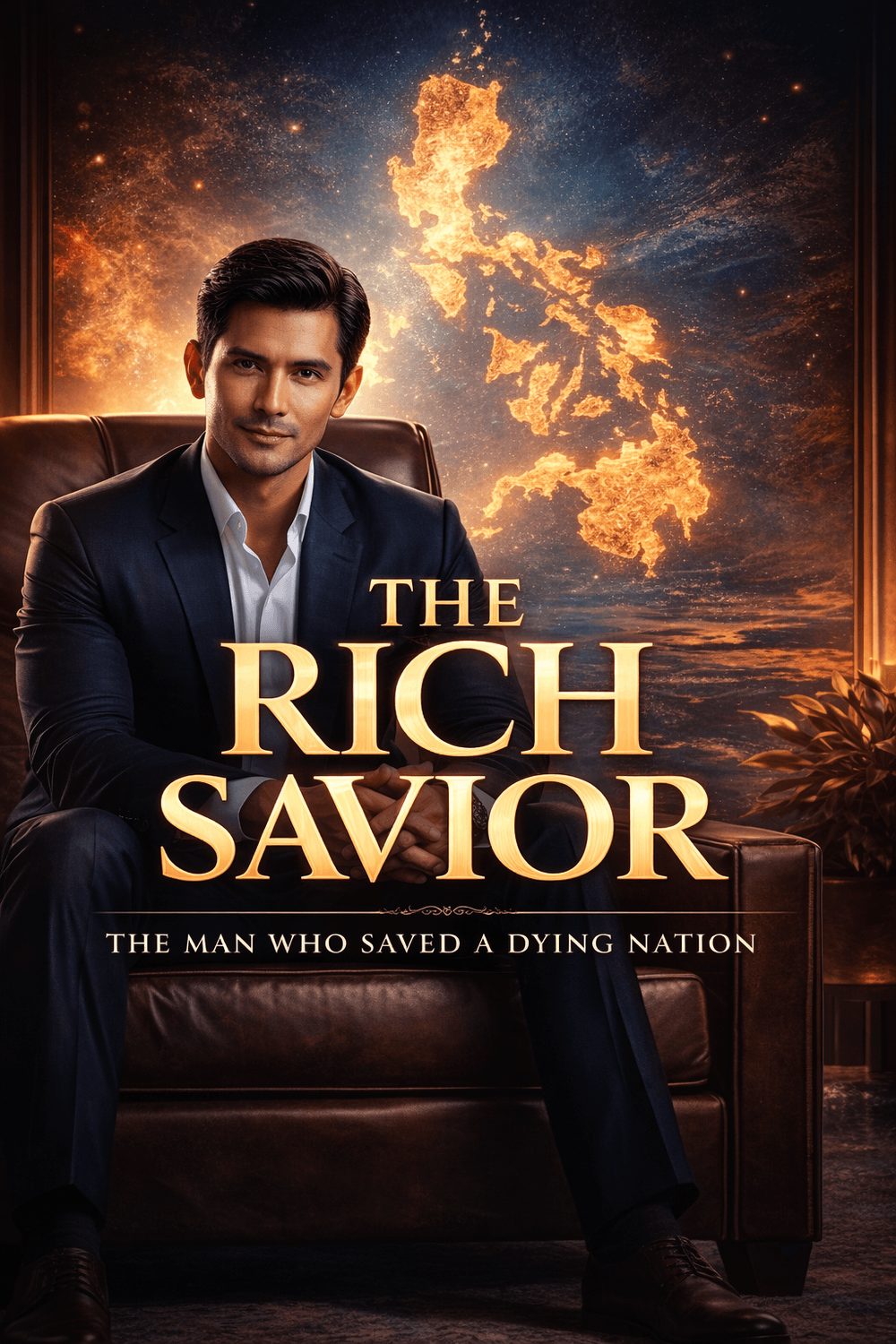
A realistic political novel about wealth, discipline, and rebuilding a Republic.
Available Soon
There comes a moment in every nation’s life when silence becomes betrayal.
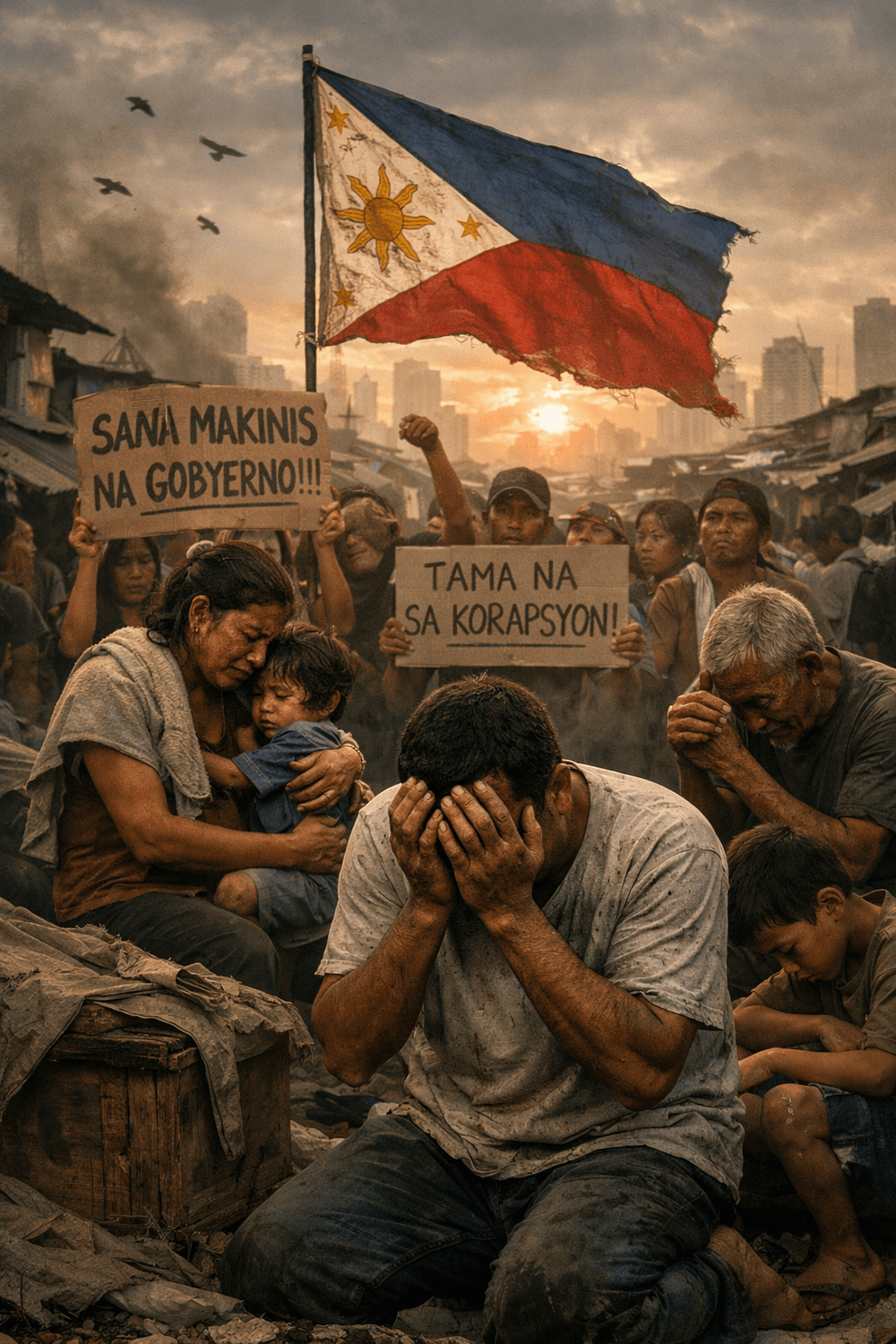
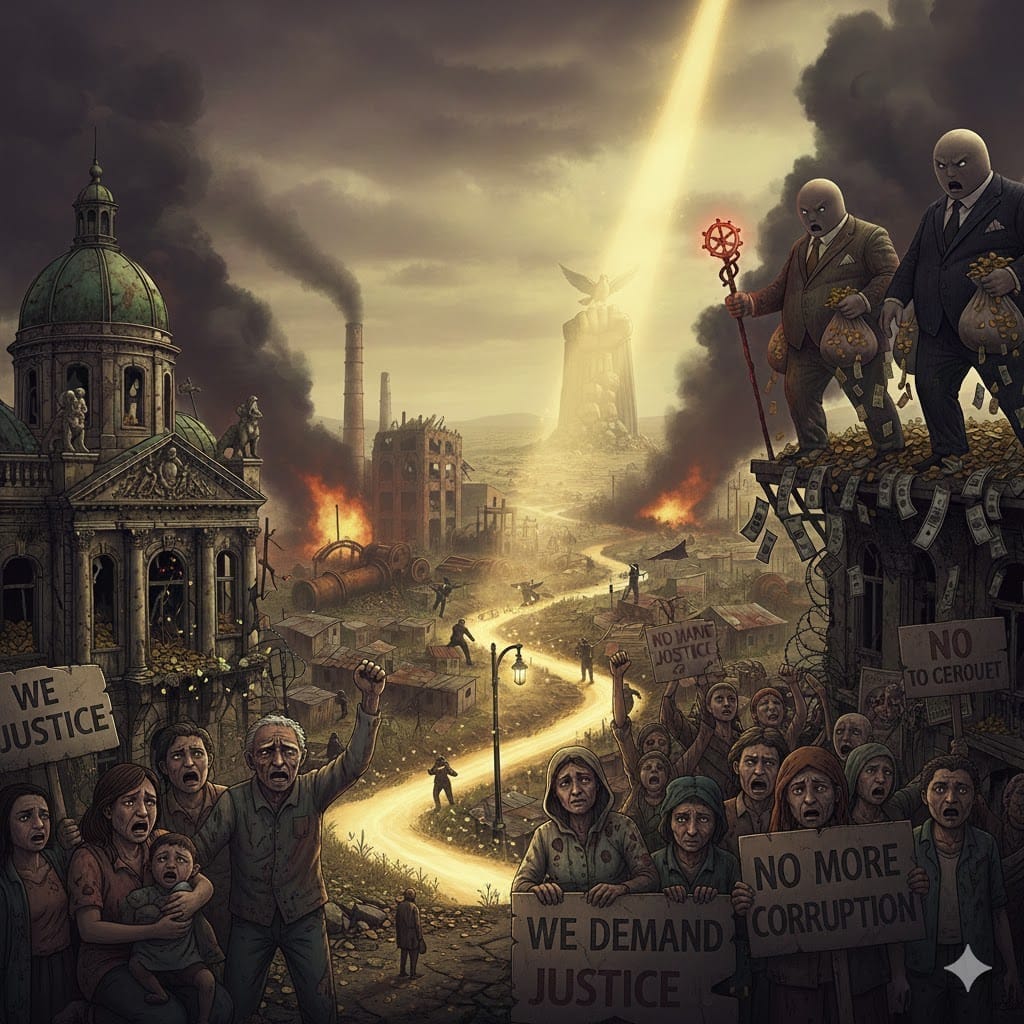
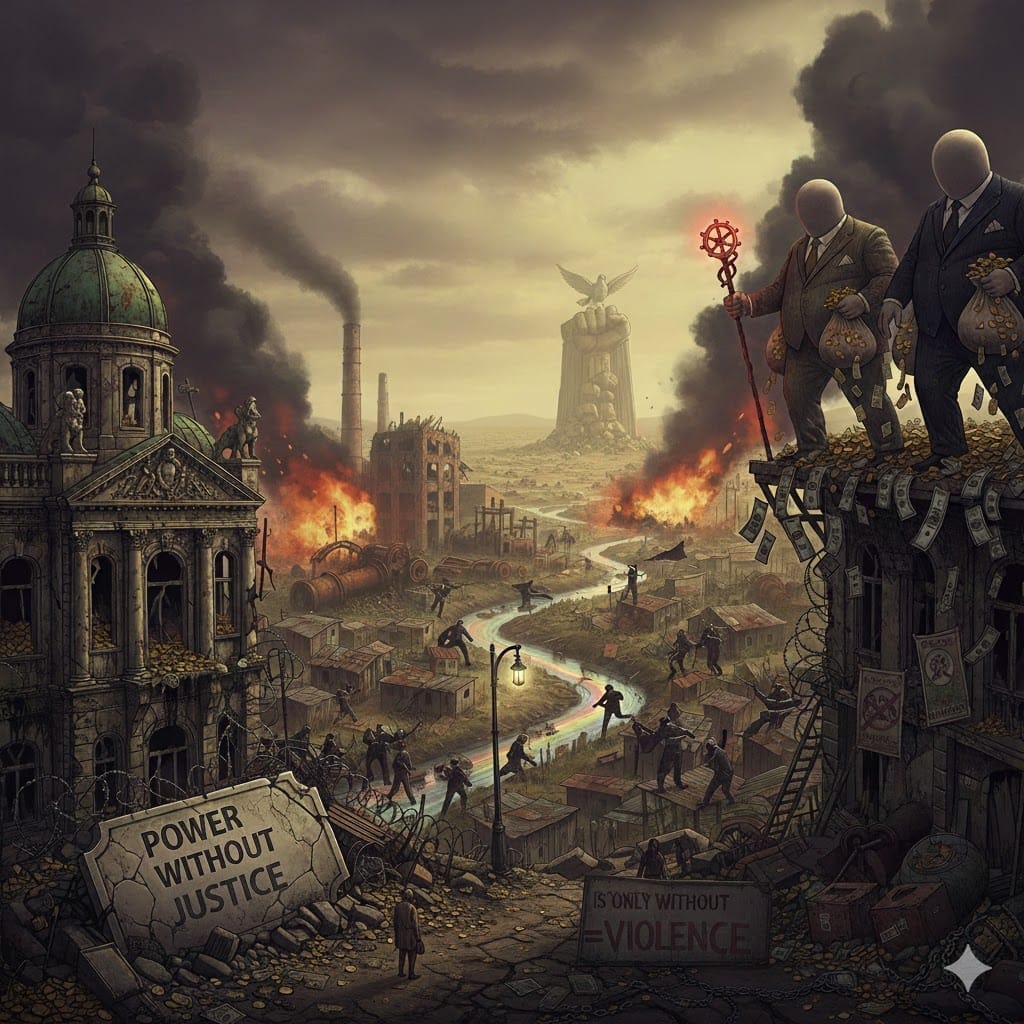
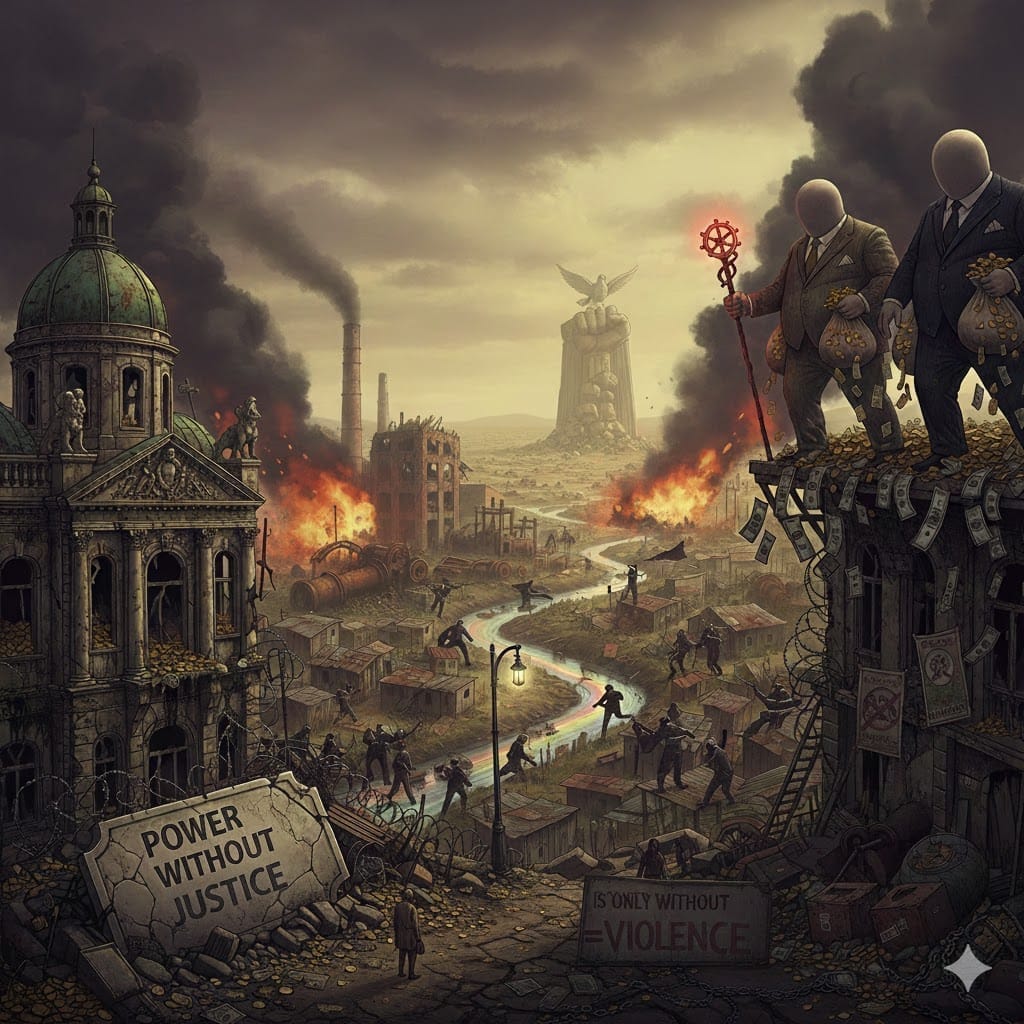
Not the silence of fear—but the silence of comfort. The kind that settles in when people learn to live with corruption, when injustice becomes routine, when stolen wealth is celebrated as “success,” and when power is admired even if it is cruel.
The Philippines is no stranger to this moment.
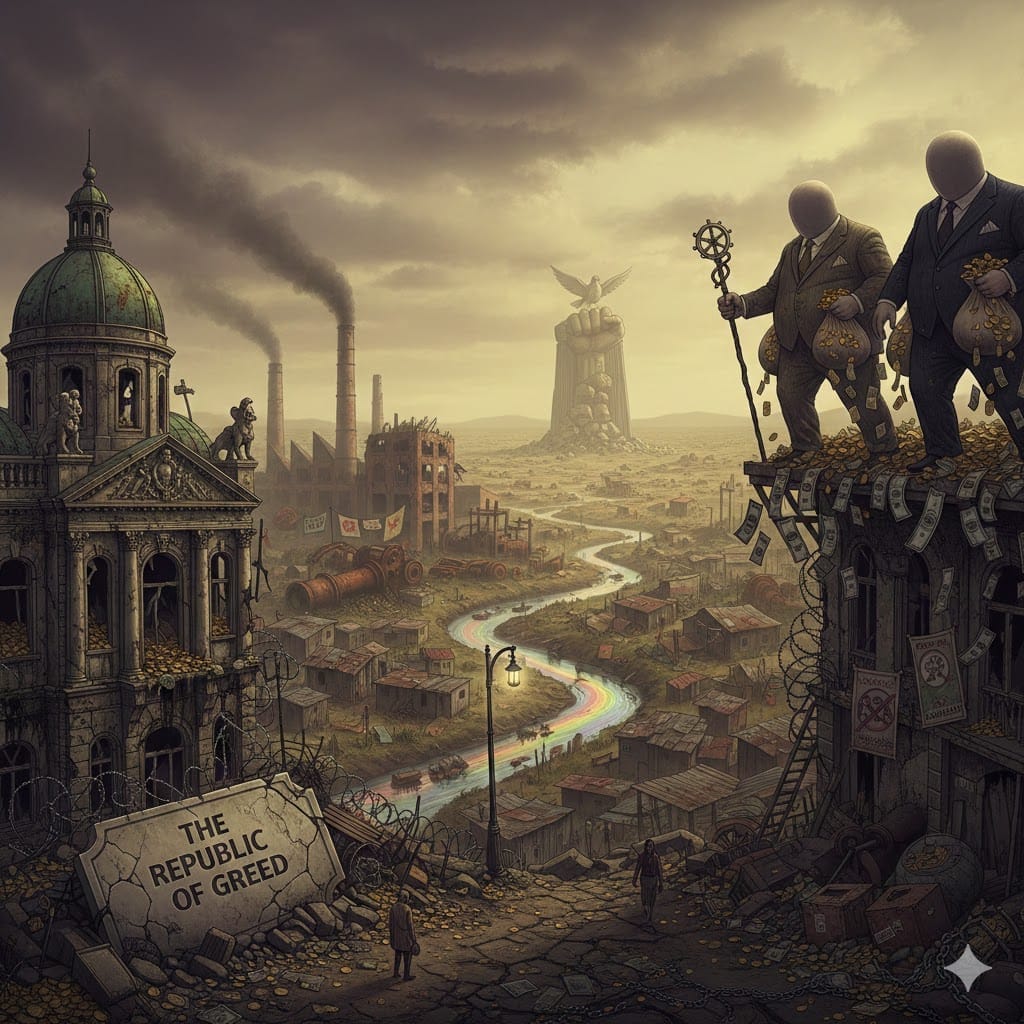
We are a nation rich in talent, rich in faith, rich in resilience—and yet poor in the kind of leadership that dares to remain clean when surrounded by temptation. We have seen men rise from nothing and forget their origins. We have watched public servants become private kings. We have been taught to applaud wealth without asking how it was earned.
Rich Savior
was written for those who are no longer satisfied with that lie.
This is a story born from frustration, hope, anger, and faith. A political novel inspired by realities we recognize but rarely confront. A narrative that does not point fingers—but holds up a mirror.
What if wealth did not corrupt?
What if power did not intoxicate?
What if a man could rise from poverty to influence—not by miracles, not by shortcuts, not by inherited privilege—but by intellect, discipline, compassion, and an unshakable moral core?
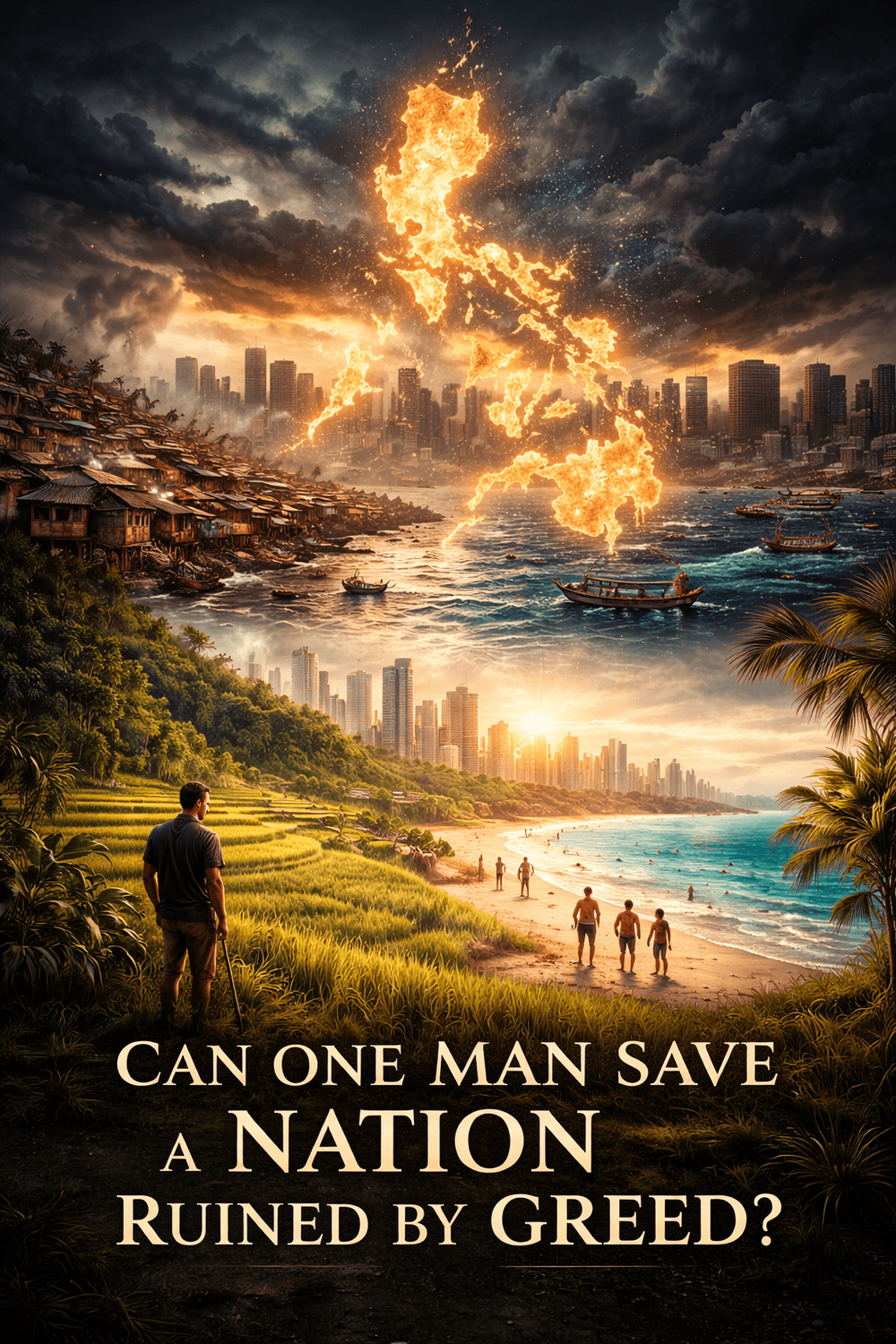
And what if, at the height of his success, he chose the nation over himself?
Rich Savior
is not a fantasy of perfection. It is a battle between conscience and convenience.
The story follows a man shaped by hardship, sharpened by struggle, and tested by abundance. His journey from obscurity to prominence is not romanticized. It is earned—through sleepless nights, difficult decisions, and sacrifices no one applauds. Along the way, he encounters the seductive ease of corruption, the silent pressure to compromise, and the familiar Filipino excuse: “Ganito talaga ang sistema.”
But this man refuses to accept that excuse.
As his wealth grows, so does his responsibility. As his influence expands, so do the enemies who benefit from the old ways. He learns quickly that money can open doors—but only character determines what you do once inside.
This is where Rich Savior becomes dangerous.
Because it asks questions that many would rather avoid.
Is corruption truly inevitable—or merely tolerated?
Is clean governance unrealistic—or simply inconvenient?
Is wealth a curse to leadership—or the greatest tool for national restoration?
This novel challenges the belief that morality and power cannot coexist. It confronts the cynical idea that “lahat naman ganyan.” It dares to imagine a Filipino leader who understands both the streets and the halls of power—and refuses to betray either.
Yet this is not a story of one man alone.
It is the story of people watching.
Citizens who have lost hope.
Youth torn between ambition and integrity.
The rich who have power but no purpose.
The poor who have dreams but no voice.
Each character reflects a part of the Filipino soul—faithful yet wounded, hopeful yet tired, patriotic yet disillusioned.
Rich Savior speaks especially to those who despise corruption but feel powerless against it. To those who believe in justice but have grown weary of disappointment. To those who love this country deeply—and are angry because they do.
It also speaks to those with wealth, influence, and ambition.
Not to condemn them—but to confront them.
Because money is never neutral. Power is never passive. Influence always chooses a side.
The novel explores a truth rarely discussed: that wealth can either enslave a nation or save it. That power can either silence the people or serve them. That leadership is not proven by victory, but by restraint.
This is not propaganda. This is not partisan fiction. This is not a sermon.
It is a story that allows the reader to wrestle with difficult truths without being told what to think.
You will feel the tension of boardrooms where morality is traded like currency. You will sense the weight of decisions where the “right thing” costs more than money. You will recognize conversations that sound uncomfortably familiar. You will see shadows of real events without names, without accusations—only consequences.
And somewhere along the way, a quiet question will surface:
If someone like this existed… would we support him? Or destroy him?
Because Rich Savior is not only about leadership. It is about citizenship.
It challenges readers to examine their own complicity. Their silence. Their selective outrage. Their willingness to tolerate what they publicly condemn.
This book does not promise easy hope.
It offers something better: earned hope.
Hope rooted in discipline.
Hope grounded in moral courage.
Hope that demands responsibility, not applause.
The kind of hope that rebuilds nations slowly, painfully, but truthfully.
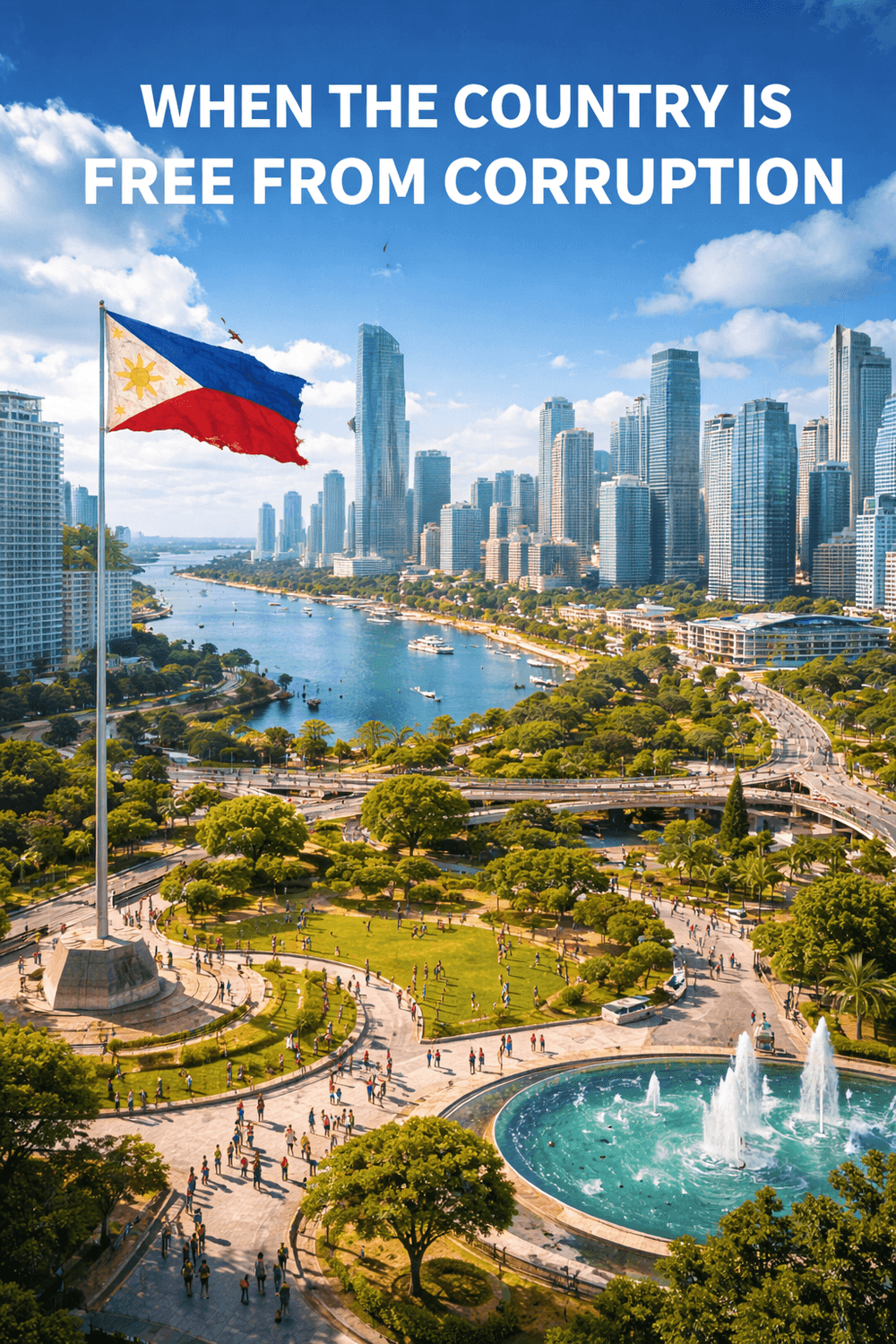
For Filipinos who still believe that clean governance is possible.
For those who dream of justice without chaos.
For those who want wealth to mean service, not supremacy.
Rich Savior is coming.
Not to entertain you briefly but to stay with you long after the final page.
Because stories shape imagination.
Imagination shapes conviction.
And conviction, when shared by enough people, shapes the course of history.
The question is no longer whether this nation needs a savior.
The real question is whether we are ready for one who refuses to be corrupted—and whether we, as a people, are ready to change with him.
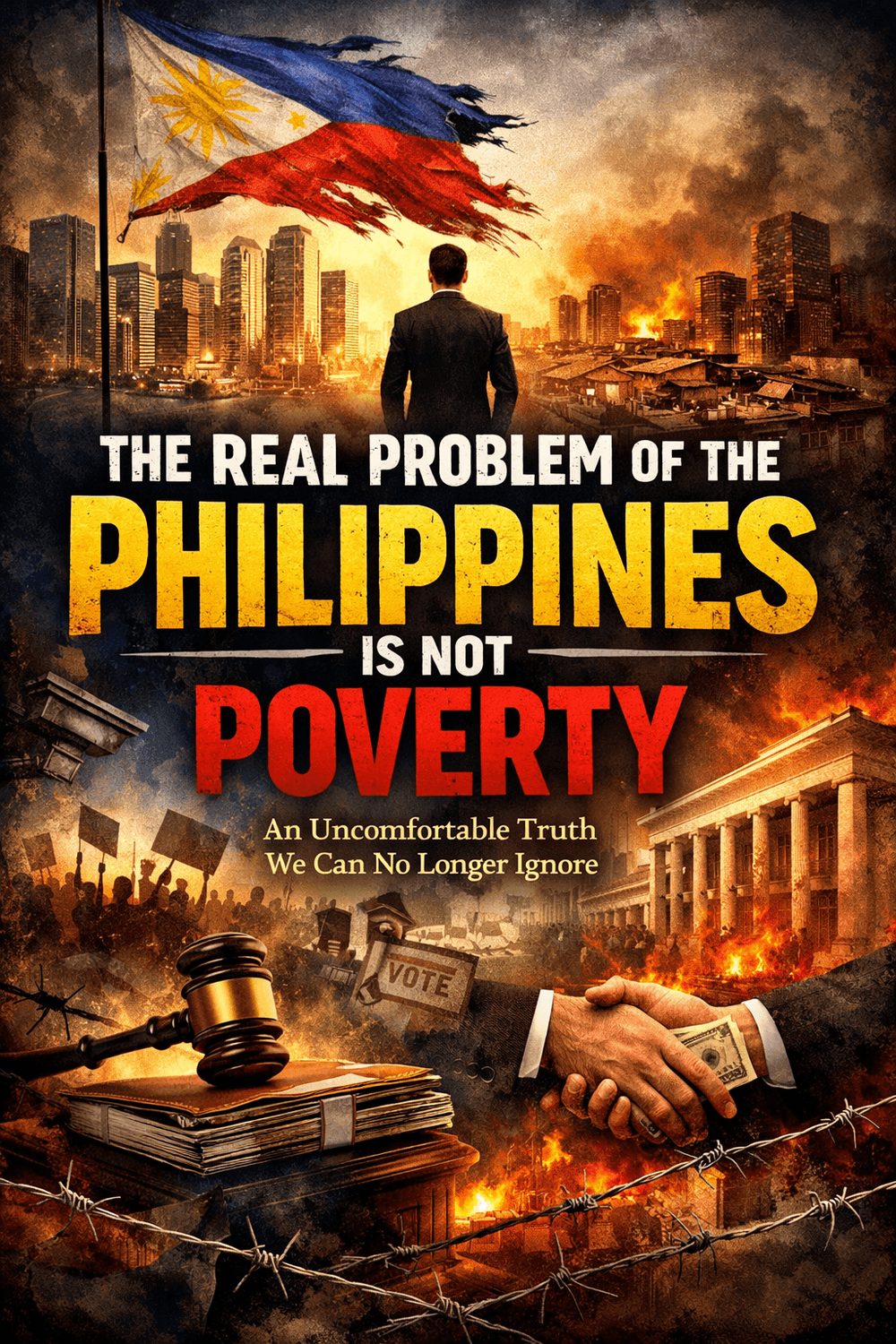
I Love My Country...... Do You? If yes, click the subscribe button...
We Are Not a Filipino for Nothing.
Built with systeme.io